

What to bring
Bringing the right documents and everyday items can make your visit easier and help the specialist review your care properly. This guide covers what to bring for consultations, follow-up visits and in-centre haemodialysis appointments for practice patients.
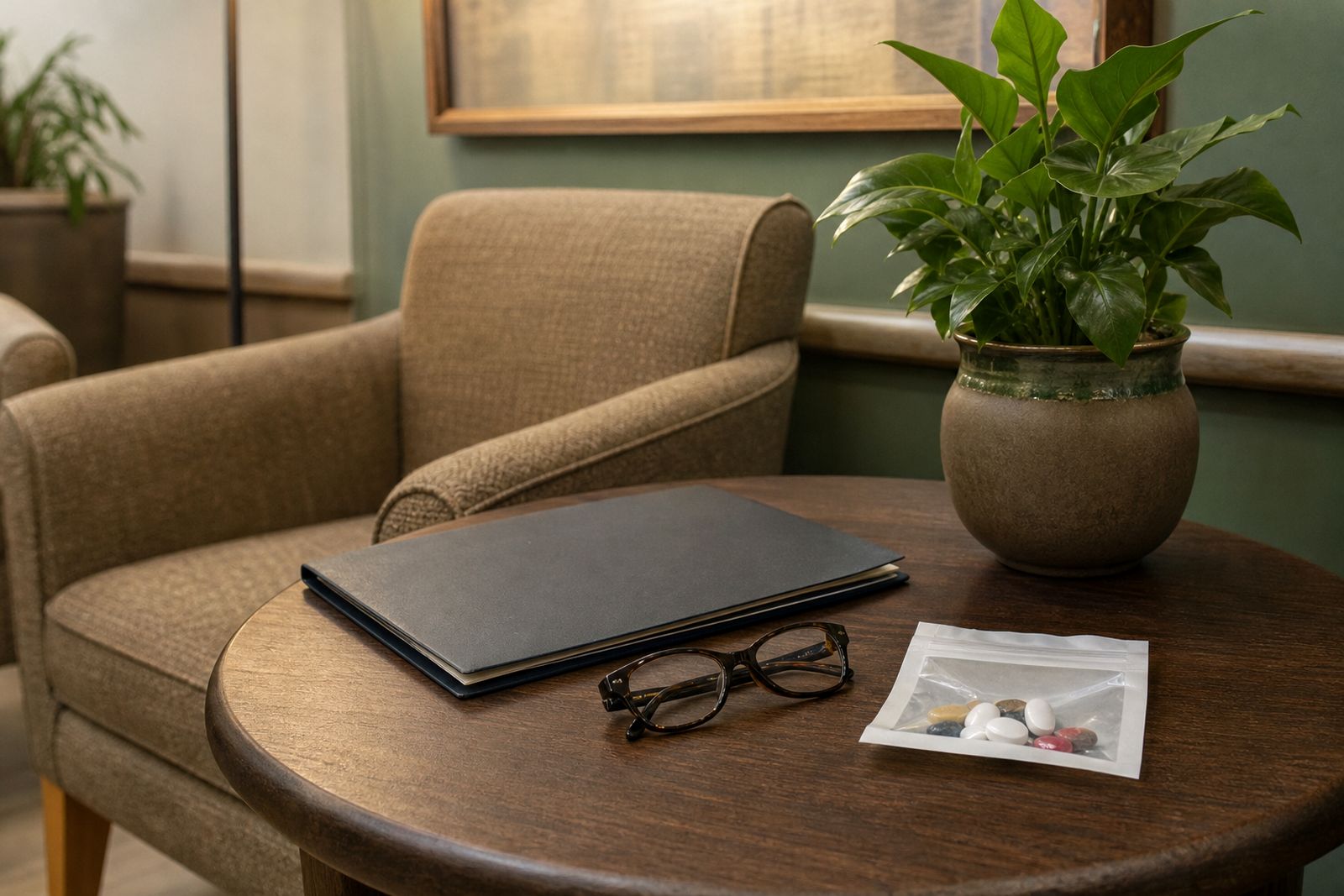
What to bring to the clinic
For any appointment at our Pretoria East nephrology practice and dialysis clinic, please bring the documents and items that help the specialist and clinic team confirm your details and understand your current care. The exact needs may differ slightly between a first consultation, a follow-up visit and a dialysis session, but a few basics apply to most patients.
If you are unsure whether a document matters, bring it with you. It is often helpful for the specialist to see referral notes, previous reports and a current medicine list rather than relying on memory alone. If there is anything urgent or severe before your appointment, please go to the nearest emergency unit.
- Proof of identity such as an ID document, card or passport
- Your referral letter if a doctor sent you
- Any clinic card, patient file or appointment note you were given before
- Your current medical aid details if applicable
- A list of your regular medicines, including over-the-counter items and supplements
- Recent blood test reports, urine test reports, scan reports or discharge summaries if you have them
Documents that help the specialist
Kidney care often involves information from more than one doctor or facility, so paperwork can make a real difference on the day. If you have seen a GP, physician or another specialist, please bring the latest notes or reports available to you. If you have had treatment at a hospital or day facility, bring the discharge summary and any recent results that were handed to you.
Where possible, keep documents together in one folder. Printed copies are usually easiest to review during the appointment, but clear digital copies on your phone can also be useful if needed. The specialist decides on care after seeing you and reviewing your history, so complete information helps the consultation run more smoothly.
- Referral letter or note from your doctor
- Recent pathology reports related to kidney care
- Imaging or scan reports if one was arranged
- Hospital discharge paperwork
- Previous specialist letters if you have been seen elsewhere
- A written summary of past operations or major illnesses if records are limited
What to prepare before you leave home
A little preparation before travelling to the clinic can save time at reception and in the consulting room. Please check that your documents are packed, and make sure your personal details are current. If someone assists you with transport or communication, you may bring that family member or support person with you.
It can also help to write down your questions in advance. Many patients forget details once the visit starts, especially if they have had a lot of tests or recent changes in care. A short written list can keep the discussion clear and focused. Please also bring any reading glasses or hearing aids you normally use, as these may help when going through forms or instructions. If power cuts or heavy traffic is expected in Pretoria or Centurion, leave a bit earlier so you are not rushed.
- Pack your identity document and any referral papers the night before
- Write down your current medicines exactly as you take them
- Note your questions or concerns for the specialist
- Bring reading glasses, hearing aids or mobility aids you use every day
- Keep a small bottle of water and a light personal item bag if needed
If you are coming for in-centre haemodialysis
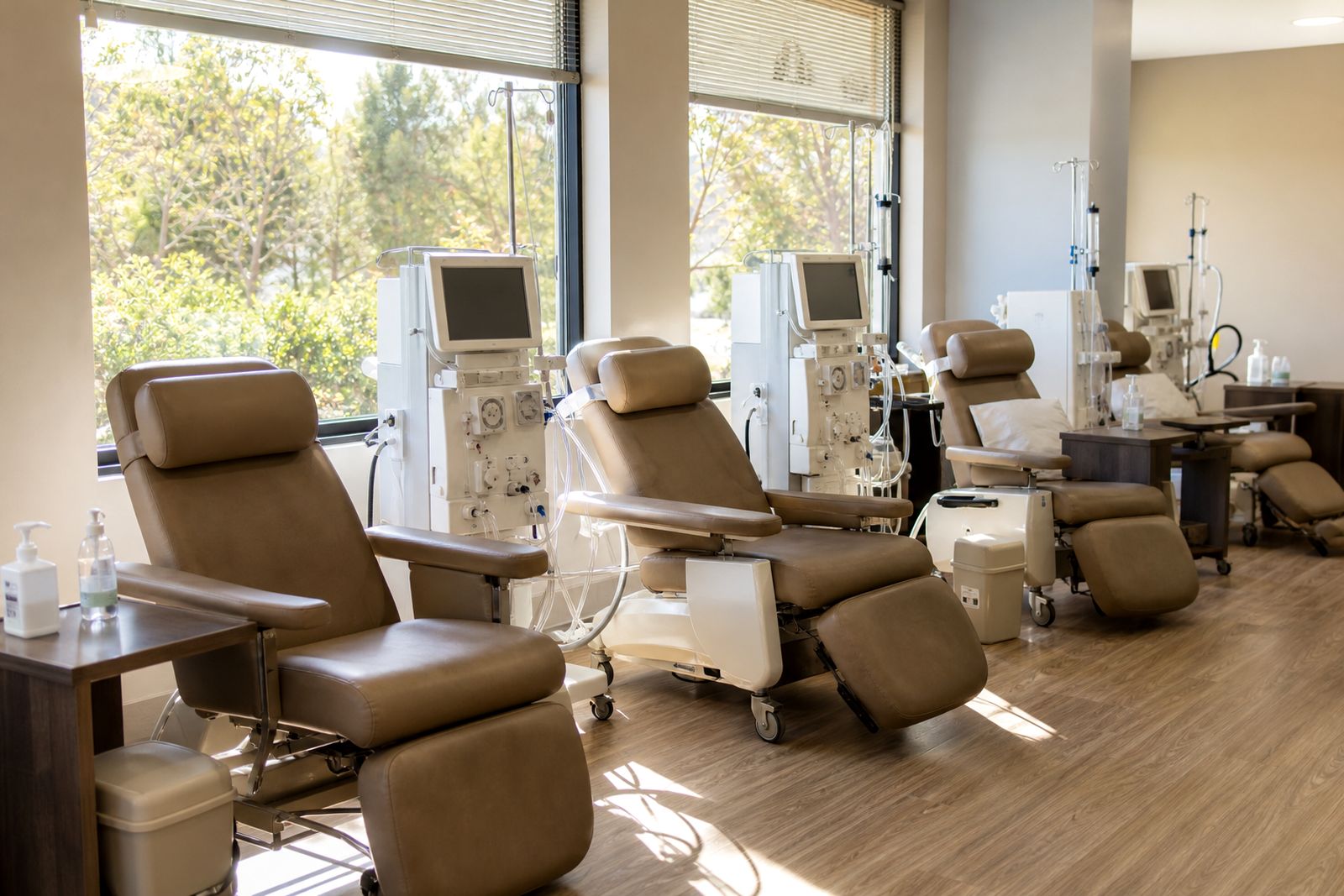
Patients attending in-centre haemodialysis at our clinic should bring their usual personal essentials as well as any paperwork the clinic has asked for. Wear comfortable clothing that makes it easier for the team to assess and manage access as needed. Avoid bringing unnecessary valuables. If this is your first dialysis visit with us after planning or consultation, bring all relevant referral and hospital documents you have been given.
You may also want to bring a small personal comfort item for the session, such as a jersey for cooler indoor temperatures. Keep your medicine list up to date and bring any new paperwork from another doctor since your last visit. The dialysis team and specialist will guide the process after reviewing your clinical information, your care plan isn't decided from a checklist alone.
- Comfortable clothing suitable for a clinic visit
- Your updated medicine list
- Any new blood results, hospital notes or specialist letters
- A light jersey or wrap if you prefer extra warmth indoors
- Your identity document and medical aid details if applicable
What happens when you arrive
When you arrive, reception will confirm your details and collect any documents needed for your file. You may be asked for identification, referral information and current contact details. If forms are required, the clinic team will let you know what to complete before the consultation or dialysis session begins.
After check-in, the specialist or clinic team will review the information you brought and may ask follow-up questions about your history, recent admissions, medicines or previous test results. If any records are missing, your visit can still go ahead in many cases, but complete information helps the specialist make informed decisions after seeing you. For emergencies or sudden serious symptoms, the nearest emergency unit remains the right first step rather than waiting for a routine appointment.
Once the visit is done, you may receive guidance on follow-up bookings, further documents that may be needed next time, or account information for the services provided.
Accounts, records and after your appointment
Charges depend on the type of visit, such as a specialist consultation, follow-up review or dialysis service for practice patients. Accounts are worked out according to the care provided on the day and any administrative requirements linked to your visit. For account queries or medical aid paperwork, use the enquiry form on our contact page and the clinic can advise on the process in general terms.
After your appointment, keep any new letters, request forms or reports together for your records. Bring updated copies to your next visit, especially if you have seen another doctor in the meantime. If the specialist recommends follow-up, planning or dialysis arrangements, those steps are confirmed after your assessment and according to your individual needs. Any urgent change in your condition should be dealt with through the nearest emergency unit.
Good record keeping can make future appointments easier, and it helps reduce repeated explanations at each visit.
What our Kidney Care customers say
Verified Google reviews
Questions we get asked
Do I need a referral letter to attend?
Appointments may be arranged by referral from a doctor or by direct booking. If you were referred, please bring the referral letter or note with you.
What if I do not have all my old test results?
Bring whatever reports and letters you have. The specialist will review the information available and decide on care after seeing you.
Should I bring my medicines with me?
A current written list is very helpful, and you may also bring the medicine boxes or packets if that makes the list easier to check.
Also worth a look


Book a consultation
Send a note through our contact form with your name, whether you have a referral and the kind of appointment you need, and the practice will contact you.
Open the contact form