

Supporting a family member
Supporting a relative with kidney care often means helping with appointments, information and day to day planning. Small practical steps can make visits calmer and help everyone stay organised.

Start with clear communication
One of the most useful things a family member can do is help keep communication clear. Kidney care can involve consultations, follow-up visits and discussions about dialysis planning, so it helps when one or two relatives know what has been said and what still needs to be asked. This does not mean making decisions on behalf of the patient. It means helping the patient remember information and making sure questions are not lost between visits.
Before each appointment, agree on what the patient wants help with. Some people want a relative in the room. Others prefer to speak to the specialist alone and discuss things afterwards. Following the patient’s preference is important. If the patient is unsure, write down a short list of topics to raise during the consultation, then keep notes afterwards so the family can refer back to them later.
- Ask the patient what kind of help they want before the visit.
- Keep a notebook or folder for questions, letters and appointment notes.
- Write down key points after the consultation while they are still fresh.
- Check what follow-up steps were requested, if any.
The specialist decides on care after seeing the patient and reviewing the clinical picture. If there is sudden severe illness or an urgent problem, go to the nearest emergency unit.
Help prepare for consultations
Appointments are usually easier when the practical side is sorted out in advance. A family member can help by checking the date, confirming transport and making sure important documents are ready. If the patient has been referred by another doctor, bring any referral notes or previous reports that have been requested. If the booking is direct, it still helps to bring a short summary of recent care and concerns.
Keep expectations simple. A first visit may focus on understanding the patient’s history and current concerns. Follow-up visits may focus on review and planning. The specialist will decide what needs attention on the day after seeing the patient, and families should avoid guessing the outcome before the consultation.
- Confirm the appointment details and travel plan the day before.
- Bring identification and any documents the practice asked for.
- Pack a list of current medicines and recent medical letters if available.
- Prepare two or three priority questions rather than a long list that becomes hard to cover.
If the patient feels anxious, it can help to arrive a little earlier so there is time to settle in. Pretoria traffic can be busy around peak hours, especially on routes from Centurion and other parts of Pretoria, so a simple travel plan matters more than people think.
Support day to day organisation at home
Family support is often less about big actions and more about steady organisation. A shared calendar, a file for paperwork and a routine for transport can remove pressure from the patient. Where several relatives are helping, decide who will handle which task. One person might track appointments while another helps with lifts or collecting forms. Keeping roles clear can prevent mix-ups.
It is also helpful to avoid passing on mixed messages. Relatives may hear advice from friends or online groups, but care decisions should not be based on outside opinions. The specialist decides on care after seeing the patient. Families can support this process by bringing accurate information to consultations rather than trying to interpret symptoms on their own.
In many households power cuts, work hours and school runs affect planning. If a treatment day or consultation day needs extra transport support, sort it out early. Even a small checklist on the fridge can help keep everyone on track and save a lot of stress later.
Be involved in dialysis planning in a practical way
When dialysis planning is being discussed, relatives often want to know what they should do next. The most helpful role is practical support. This can include helping the patient attend appointments, keeping documents together and making sure questions are written down before the next visit. Planning discussions may happen over more than one consultation, so staying organised matters.
Families do not need to have all the answers. It is enough to understand what has been explained so far, what decisions still need to be made and what follow-up has been arranged. If something is unclear, ask for it to be repeated at the next appointment. Simple and accurate is better than rushed and half remembered.
- Keep a separate section in the patient folder for dialysis planning notes.
- Record any dates or steps the practice has asked the patient to follow.
- Bring the same notebook to each visit so information stays in one place.
- Ask the patient afterwards what they understood, then compare notes calmly.
If there is any urgent deterioration or a sudden emergency, families should go straight to the nearest emergency unit rather than waiting for a routine appointment.
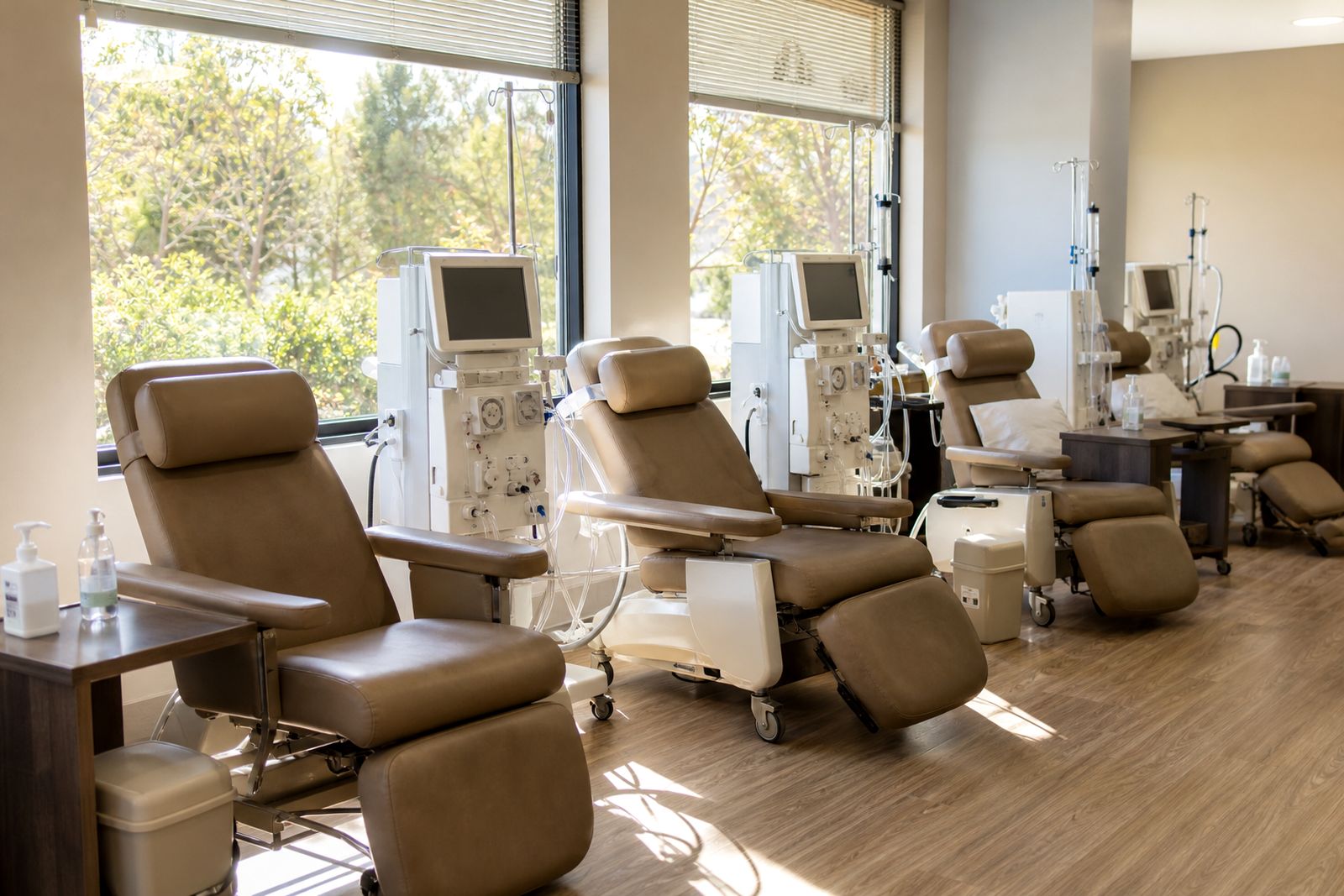
During in-centre haemodialysis support the routine
For practice patients receiving in-centre haemodialysis, family support often works best when it is steady and predictable. Reliable lifts, packed essentials and clear timing can reduce stress around treatment days. Try to keep the routine as simple as possible. A familiar bag, a usual pick-up plan and one contact person in the family can make the week feel more manageable.
Some patients want to talk a lot about treatment while others prefer not to discuss it after every session. Follow the patient’s lead. Support can mean listening without pressing for details. It can also mean helping with ordinary daily tasks so the patient does not have to spend energy on every small errand. Keep things practical and avoid comparing one patient’s experience with another, because the specialist decides on care for the individual after assessment.
Where family members are travelling in from surrounding areas, allow for Pretoria traffic and weather. Summer storms can slow roads quickly, and a rushed journey adds strain for everyone.
Know when to ask questions and when to seek urgent help
Families often worry about missing something important. A good approach is to keep non-urgent questions for the next consultation and write them down as they come up. This helps the patient raise concerns in an organised way and gives the specialist a clear picture during the visit. If the practice has asked for certain information to be brought in, keep it ready in the patient folder.
At the same time, routine guidance pages are not a substitute for emergency care. Families should not try to manage a serious sudden problem at home or wait for a future booking. If something feels urgent, go to the nearest emergency unit.
- Use a notebook or phone note for non-urgent questions between visits.
- Take the list to consultations so nothing important is forgotten.
- Do not rely on second-hand advice from friends or social media groups.
- For emergencies, go straight to the nearest emergency unit.
Supporting a relative with kidney care does not mean knowing everything. It means being dependable, organised and respectful of the patient’s preferences. That kind of help counts a great deal, even on ordinary days.
What our Kidney Care customers say
Verified Google reviews
Questions we get asked
Can a family member come to the consultation?
Often yes, if the patient wants that support. It is best to follow the patient’s preference and let the specialist guide the discussion during the appointment.
What should we bring to an appointment?
Bring the documents the practice has requested, plus any referral notes, recent medical letters and a current medicine list if available. A written list of questions can also help.
What if something urgent happens before the next visit?
Routine guidance does not replace emergency care. If there is a sudden serious problem, go to the nearest emergency unit.
Also worth a look


Book a consultation
Send a note through our contact form with your name, whether you have a referral and the kind of appointment you need, and the practice will contact you.
Open the contact form