

Chronic kidney disease follow-up
Chronic kidney disease follow-up focuses on regular specialist reviews over time, rather than a once-off visit. At Renal Clinic in Pretoria East, each review is planned around your current condition, your recent results and the next steps the specialist decides after seeing you.
What follow-up usually includes
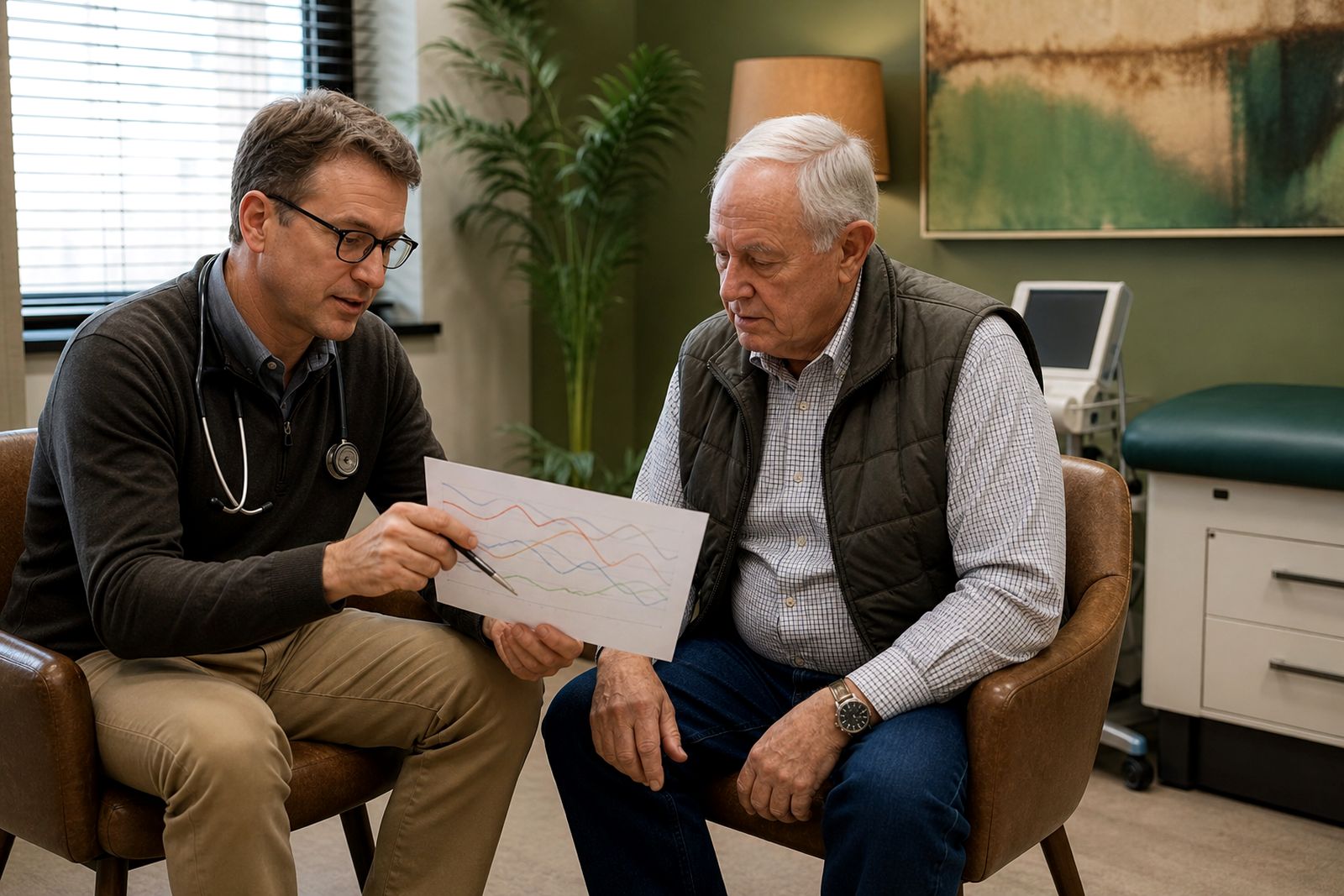
Chronic kidney disease follow-up is aimed at keeping your care organised and up to date. These visits give the specialist a chance to review how you have been since your last appointment, look at any recent reports, and decide what needs attention next. The exact content of each visit differs from one patient to another because kidney conditions, other health issues and current treatment plans are not the same for everyone.
At a follow-up appointment, the specialist may review your symptoms, your current medicines, previous notes, referral information and available test results. If further checks are needed, the specialist will advise what should be arranged and when. Any decisions about investigations, treatment changes or dialysis planning are made only after the specialist has assessed you in person and considered your records.
- Review of your medical history since the last consultation
- Discussion of current symptoms or concerns
- Review of available blood, urine or imaging reports where relevant
- Assessment of your overall kidney care plan
- Guidance on next appointments, further tests or dialysis planning if needed
How the follow-up process works
Most follow-up care starts with a booked review at the practice in Pretoria East. Some patients are referred by their doctor, while others book directly through the enquiry form on the contact page. Before the visit, the practice may ask for referral notes or recent results if these are available, so the specialist has the right background for the consultation.
On the day of the appointment, your records are checked and your consultation takes place with the specialist. The discussion usually covers any changes since the last review, whether there have been hospital visits or new diagnoses, and whether other treating doctors are involved. The specialist then decides what follow-up actions are appropriate. This can include continued monitoring, arranging additional investigations, discussing dialysis planning or coordinating with your GP and other clinicians.
- Book your review by referral or direct booking
- Send through any requested documents before the visit where possible
- Attend the consultation in Pretoria East
- Review recent history, reports and current concerns with the specialist
- Receive a plan for next steps, further review or related kidney care services
What to prepare before your visit
Good preparation makes follow-up visits more useful and can reduce delays on the day. If you have had tests done elsewhere, bring the reports or arrange for them to be shared ahead of time. If another doctor has referred you, it helps to have that referral information available. Patients who are already attending regular reviews should also bring any updated medicine lists and notes about changes since the previous appointment.
It is often helpful to write down questions before the visit, especially if you want to ask about your care plan, what further tests may be needed, or whether future dialysis planning should be discussed. If a family member helps you with transport or appointments they may come with you, if appropriate. For urgent symptoms or a sudden medical problem, do not wait for a routine clinic review. Go to the nearest emergency unit.
- Referral letter if one was provided
- Recent blood, urine or scan reports if available
- List of current medicines and any recent changes
- Notes about new symptoms, admissions or doctor visits
- Your questions for the specialist
Reviews over time and care planning
Follow-up for chronic kidney disease is usually ongoing, with the timing of visits based on the specialist's assessment. Some patients need closer review for a period, while others may be seen less often. The aim is to keep track of changes over time and make sure the next steps are clear. The specialist may also take into account practical issues such as travel from Pretoria, Centurion or surrounding areas when planning reviews, but clinical need remains the main factor.
If your condition changes, the focus of follow-up may also change. Some visits are mainly for review of results, while others may involve broader planning around investigations, longer-term monitoring or preparation for dialysis if that becomes necessary. The specialist decides on care after seeing you and considering the full picture. In some cases your GP remains closely involved, which can help with ongoing day to day management between specialist visits.
How fees are generally worked out
Charges for chronic kidney disease follow-up depend on the type of consultation and the work involved on the day. This may include the consultation itself and any related clinical administration linked to your visit. If further tests, procedures or dialysis-related services are needed, those are usually separate from a routine follow-up consultation and are discussed as part of the care plan where relevant.
Accounts and medical aid handling depend on your individual arrangement and the nature of the service provided. The practice can explain the general billing process and what information may be needed for account purposes, but cover and benefit details differ from one patient to another. For account-related queries, use the enquiry form on the contact page and the practice can guide you from there.
After your appointment
After the consultation, you may leave with a plan for your next review, requests for further tests, or guidance on whether other members of your healthcare team should be updated. If a follow-up letter or clinical summary is needed for your referring doctor or GP, that is handled as part of ongoing coordination of care where appropriate. The exact aftercare steps depend on what the specialist decides during the consultation.
It is important to keep any recommended follow-up appointments and complete any requested investigations within the suggested time frame. If something changes before your next review, contact the practice through the enquiry form so the team can advise on booking arrangements. For emergencies, worsening acute symptoms or urgent medical concerns, go straight to the nearest emergency unit rather than waiting for a routine follow-up slot.
What our Kidney Care customers say
Verified Google reviews
Questions we get asked
Do I need a referral for chronic kidney disease follow-up?
Appointments can be made by referral from a doctor or by direct booking. If you have referral notes or previous records, bring them or arrange for them to be shared before the consultation.
Will treatment be changed at every follow-up visit?
Not always. Some reviews are mainly for monitoring and planning, while others may involve changes to the care plan. The specialist decides on care only after seeing you and reviewing your records.
What if I become unwell before my next review?
If you have an urgent or emergency problem, go to the nearest emergency unit. For non-urgent booking questions or follow-up arrangements, contact the practice through the enquiry form on the contact page.
Also worth a look



Book a consultation
Send a note through our contact form with your name, whether you have a referral and the kind of appointment you need, and the practice will contact you.
Open the contact form