

Working with your GP
Your GP and kidney specialist each have an important role in your care. At Renal Clinic in Pretoria East, we work alongside your doctor so that follow-up, planning and communication stay clear and practical.

How shared care works
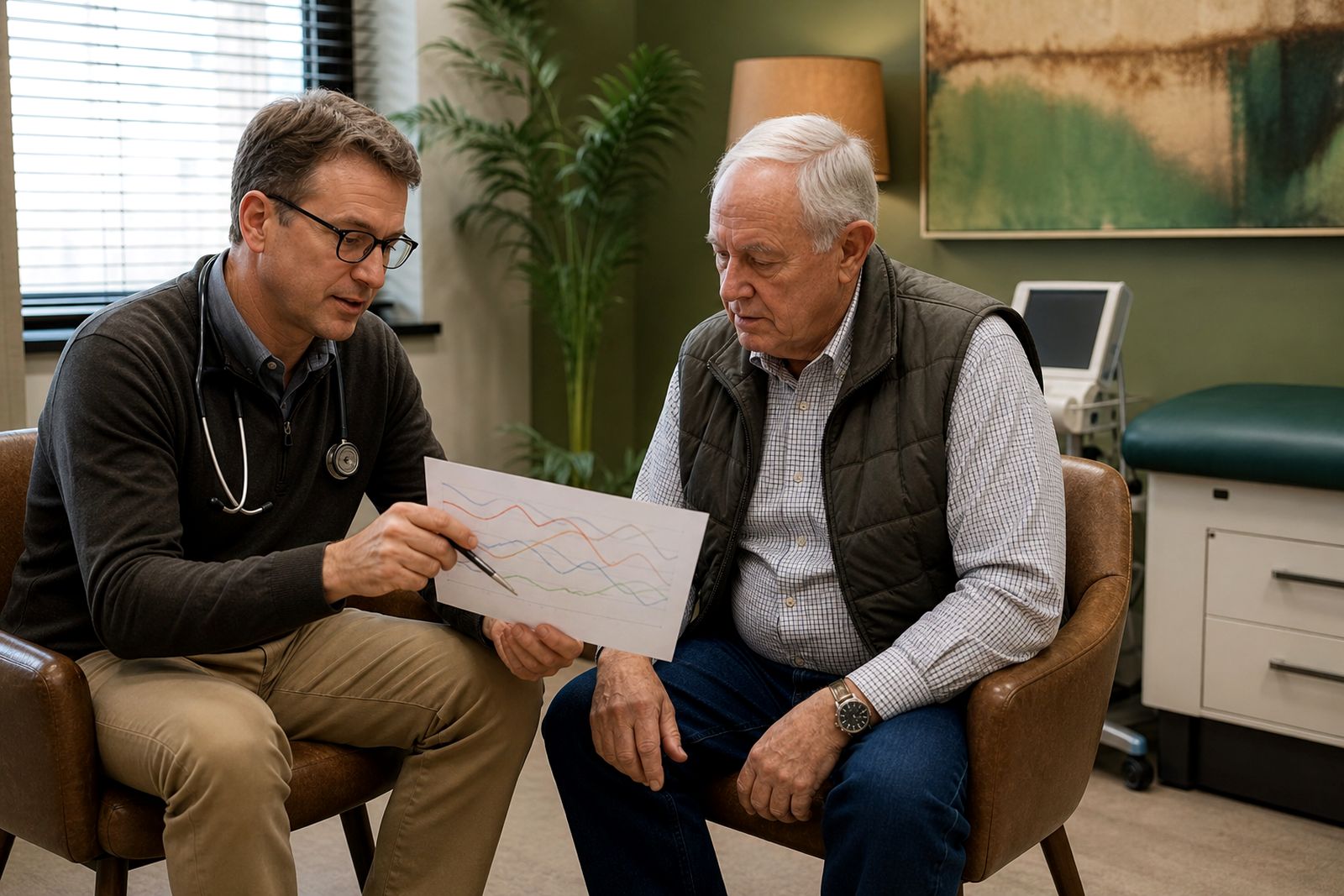
Working with your GP means your kidney care is not handled in isolation. Your GP may be the doctor who first notices a kidney concern, follows your general health over time, and refers you for specialist input when needed. The specialist then assesses the kidney-related issues, reviews the available information, and decides on the next steps after seeing you.
At our Pretoria East practice, shared care usually includes kidney specialist consultations, chronic kidney disease follow-up, dialysis planning where relevant, and communication back to your referring doctor or regular GP. Some patients come with a formal referral, while others book directly and ask us to keep their GP informed. In either case, the specialist decides what is needed after the consultation.
This approach helps keep everyone on the same page, especially when care involves more than one appointment or when there are questions about ongoing monitoring. For urgent or emergency symptoms, patients should go to the nearest emergency unit.
What is included in coordination with your GP
Shared care is mainly about communication, continuity and making sure the relevant medical information is available to the doctors involved in your treatment. What is included can differ from one patient to the next, because the specialist decides the plan after reviewing your case.
- Review of your referral note or background history if provided by your GP.
- Kidney specialist consultation focused on your current kidney-related concerns.
- Consideration of previous test results, scans, medicine lists and clinic notes that you bring with you.
- Written feedback to your GP after the consultation when appropriate.
- A follow-up plan for specialist review, GP follow-up, or both.
- Dialysis planning discussions if the specialist feels this is relevant.
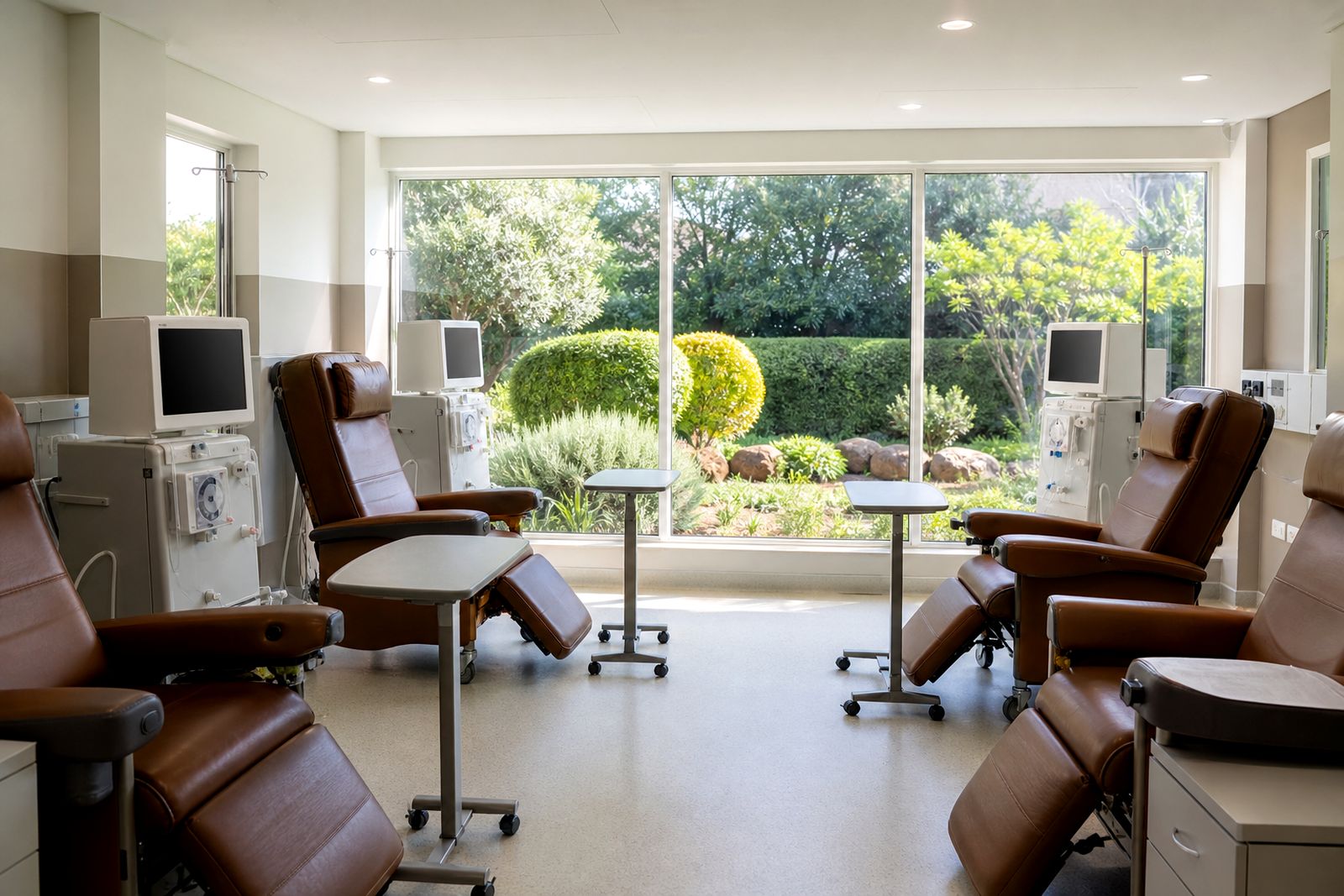
- Ongoing in-centre haemodialysis for practice patients where this forms part of the specialist care plan.
Our role is not to replace your GP. Your GP remains important for day-to-day general healthcare, repeat prescriptions where appropriate, and non-specialist concerns. The kidney specialist focuses on nephrology care and related decisions within the scope of the consultation.
Step by step from booking to follow-up
The process is straightforward and starts with an appointment request through the enquiry form on our contact page. Some patients contact us after seeing their GP, and others book directly and then arrange for their GP information to be shared with us.
- Step 1: Send your enquiry and let us know whether you are booking with a referral or as a direct patient.
- Step 2: Gather the documents that may help the specialist understand your medical background.
- Step 3: Attend your consultation in Pretoria East with your records and medicine list.
- Step 4: The specialist reviews your history, discusses your kidney-related concerns, and decides what further assessment or follow-up is needed.
- Step 5: If shared care with your GP is part of the plan, relevant feedback is sent back to the GP.
- Step 6: You continue with specialist follow-up, GP follow-up, or a combination depending on the care plan.
For some patients this is a once-off specialist opinion. For others, particularly those needing chronic kidney disease follow-up or dialysis planning, communication with the GP may continue over time. The exact process can vary a bit depending on the records available and the reason for consultation.
What to prepare before your appointment
Good preparation helps the specialist make the best use of your consultation time and helps us send accurate information back to your GP. If documents are missing we can still see you, but complete information often makes the visit more useful.
- Your referral letter if your GP has given you one.
- A short summary of your current concerns and when they started.
- A list of your current medicines, including repeats and any over-the-counter items you use regularly.
- Recent blood tests, urine tests, scan reports or discharge notes if you have them.
- Your GP details if you want us to send feedback after the consultation.
- Your ID and any account information needed for administration.
If another family member is helping you attend the appointment, it can help to bring a written list of questions. This keeps the discussion focused and reduces the chance of forgetting an important point on the day, especially if you have seen more than one doctor recently.
How accounts are usually worked out
Costs depend on the type of visit and the services actually provided. In general terms, accounts may differ between an initial specialist consultation, a follow-up visit, chronic kidney disease monitoring, dialysis planning discussions, and in-centre haemodialysis for practice patients. The amount also depends on the information reviewed and the nature of the care provided.
Administrative staff can explain the general billing process and what documents may be needed for account handling, but they do not make medical decisions. The specialist decides the clinical plan after seeing you, and the account reflects the care given. If you want practical information before attending, use the enquiry form on our contact page and we can guide you on the booking and account process in general terms.
Where relevant, patients should also check their own cover and authorisation requirements directly with their funder before the appointment or planned treatment.
Aftercare and ongoing communication
After your consultation, the next step depends on what the specialist finds and what type of follow-up is needed. Some patients return mainly to their GP with a specialist opinion on record. Others continue seeing the kidney specialist at intervals set by the specialist, with updates shared back to the GP as needed.
If dialysis planning forms part of your care, that is discussed in the context of your overall kidney management and only after review by the specialist. If in-centre haemodialysis is appropriate for a practice patient, the specialist explains the next administrative and clinical steps. Specific treatment decisions are never made from general website information alone.
Shared care works best when your records stay up to date and your doctors know about significant changes in your health or recent admissions. If you become acutely unwell or have an emergency, go to the nearest emergency unit rather than waiting for a routine appointment.
What our Kidney Care customers say
Verified Google reviews
Questions we get asked
Do I need a referral from my GP?
No. Appointments may be made by referral from a doctor or by direct booking. If you have a GP and want shared care, bring their details and any relevant notes.
Will the specialist send feedback to my GP?
Where appropriate, the specialist can communicate with your GP so that your care is coordinated. What is shared depends on the reason for the visit and the plan decided during the consultation.
Can my GP manage everything after one visit?
Sometimes a GP can continue with follow-up after a specialist review, and sometimes ongoing nephrology follow-up is needed. The specialist decides this after seeing you and reviewing your case.
Also worth a look


Book a consultation
Send a note through our contact form with your name, whether you have a referral and the kind of appointment you need, and the practice will contact you.
Open the contact form